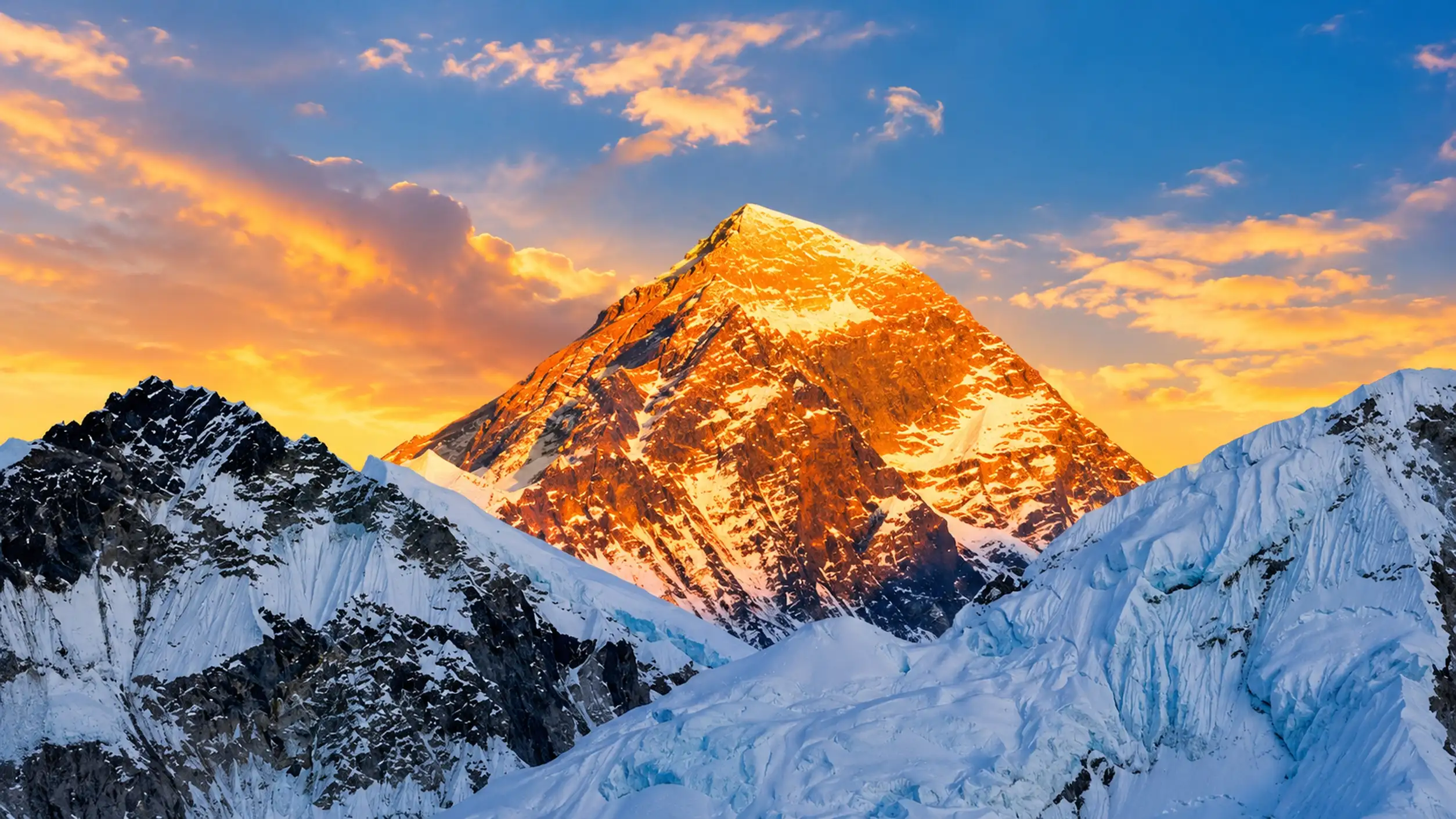
The Everest Base Camp Trek is one of the most iconic Himalayan experiences in Nepal. The trek takes you deep into the magnificent region of Everest. The journey begins with a picturesque flight to Lukla at about 2860 metres (9383 feet) and leads you through magnificent Sherpa villages, forests, suspension bridges and high mountain scenery. Trekking along the trail, hikers enjoy rich Sherpa culture, old monasteries and amazing views of Everest, Lhotse, Nuptse, Ama Dablam and other Himalayan peaks. Acclimatisation breaks at Namche Bazaar at 3,440 metres (11,286 ft) enable you to adjust to the increasing altitude. Everest Base Camp is 5,364 metres (17,598 feet) and Kala Patthar is around 5,545 metres (18,192 feet), and Kala Patthar offers one of the best panoramic views of Mount Everest. It’s all about taking it slow, enjoying nature, mountain living and making everlasting Himalayan memories.
While most trek descriptions will talk about legs getting tired, there is another, more important challenge your lungs will have to undergo as well. With every step you make from Lukla (alt 2,860 m) to the Everest Base Camp (alt 5,364 m), the air pressure will gradually decrease as you climb up the valleys and ridges. Conditions like altitude sickness are extremely common on this route, and more dangerous than any rock fall or icy step you may encounter on the way. Altitude sickness occurs as the air pressure decreases, causing less oxygen to be available for your blood to absorb, and can lead to headaches, nausea, vomiting, dizziness, fatigue, and even more serious problems. The good news is that it can be prevented! This is why the tour itinerary includes two full days of acclimatization in Namche Bazaar and Dingboche, where you should take walks outside the village to allow your body to adjust to the new climate. Another thing you can do is follow the rule of thumb for hiking tours – climb high, sleep low. Skipping a day of acclimatization or choosing to go sightseeing on your own can put you at risk of altitude sickness, and is the primary reason why some people have to abort their tour before reaching EBC.
This journey is very rewarding, not only because of the experience, but also because of the incredible landscapes that you see along the way, and the local culture you get to experience throughout the hike. The trail mostly follows the Dudhkoshi River, and crosses a few long suspension bridges, which sway underfoot on either side, and are decorated with thousands of wind-battered prayer flags that represent the prayer of thousands of travelers that pass through it. From crossing high bridges and walking through pine woods, you will gradually start seeing the forests shrink as you go higher and higher, until you reach Tengboche, where the trees start disappearing altogether, until you finally reach Dingboche and the woodlands give way to bare rock and glacial moraine. The trail also goes through several local villages, inhabited by Sherpa people, a highland Tibetan people, famed climbers, trekkers and guides. The most noteworthy ones are Namche Bazaar, the largest town on the trek, with its local Saturday market, and a couple of bakeries selling cinnamon rolls and cakes, Tengboche, with its religious monastery, and the more obscure stone fortresses dotted along the trail, that can occasionally be seen from below. You will sleep in teahouses heated by yak-dung furnaces, eat dal bhat (local Nepalese food) and garlic soup which is said to help with altitude sickness, drink cups of hot milk tea and watch the mountains from the warmth of the teahouse.
As you make your way up the ridges and past the villages, mountains keep appearing on the horizon. Kongde and Thamserku are among the first ones to appear on day two, followed shortly by the most beautiful mountain in the world, Ama Dablam. As you make your way towards Everest through Namche and Tengboche, the mighty Everest also appears on the horizon, growing bigger and bigger with every step, until you eventually come to the end of the trail.
Standing on top of the Khumbu Glacier, with the towering glacial ice and the Khumbu Icefall ahead of you, is a surreal experience that few can describe. You are standing on one of the highest places in the world, and you are looking at the wonder that is Mount Everest. Most people will think that they felt happy and triumphant when they reached the end, but most of them will return to their teahouses in silence, watching the mountains from another ridge, where the wind is colder, and the people walking around are more numerous. It is a unique and humbling experience, to be sure – but it does not matter if you thought of yourself as a climber, an adventurer, or merely a curious tourist, EBC has a way of making you feel like one of the people who have set foot on this place, and looked upon the mountains for the first time.
Important Note :
High Altitude: Everest Base Camp lies at an elevation of roughly 5,364 metres (17,598 feet) above sea level. Proper acclimatisation and slow walking pace is particularly vital for a safe and pleasurable journey since altitude is increased gradually.
Take it Easy and Steady: Don’t rush the trip, particularly when trekking above Namche Bazaar. A comfortable walking pace, regular rests, consuming enough of water and listening to your body can help you acclimatise to the high altitude environment.
Weather Conditions: The weather in the Everest region can change rapidly, especially at higher elevations. Expect the weather in the mountains to change; cold temperatures, strong gusts, snowfall and gloomy circumstances may hinder plans for trekking.
Delays to Flights to Lukla: Flights to Lukla from Kathmandu might sometimes be delayed or cancelled due to poor weather or visibility. It is advisable to have some additional time and cost in your itinerary in case your flights get disrupted.
Lodging: Basic but acceptable lodging is available in the teahouses and lodges along the way. The facilities grow simpler as you ascend higher so trekkers should not expect the same level of luxury provided in cities.
Physical Preparation: Everest Base Camp Trek is physically hard trek with lengthy trekking days, steep uphill and downhill stretches and high altitude conditions. It can good to walk often, go on hikes and do cardiovascular exercises before your hike.
Travel Insurance: Do not forget to get appropriate travel insurance covering high altitude trekking and emergency evacuation including helicopter rescue if necessary.
Enjoy the Journey: The Everest Base Camp Trek is much more than just reaching Base Camp. Enjoy the beautiful Himalayan scenery, Sherpa communities, monasteries, local culture and serene mountain atmosphere en route.